Manufacturing processes are becoming more complex and technically demanding while the amount of human operators monitoring the processes are decreasing. This progression and efficiency pressure in manufacturing value chains has created new opportunities for automated tracking and monitoring technologies. While various digital sensors have existed in the market for a long time, the emergence of machine learning based edge computing solutions have opened a new era for more complex and multi-sensor fusion based tracking solutions.

The convergence and concurrent evolution of power efficient and pocket-sized computing accelerators for Edge AI, open source technologies and richer data capturing sensors have together enabled the human cognition level monitoring solution revolution.

A central challenge within the Edge AI domain persists in the engineering of methodologies for the cost-effective and rapid deployment of various AI models designed to track diverse objects throughout production and general intralogistics environments. Furthermore, the capacity for reliable and streamlined field updates remains imperative to ensure sustained solution performance across the entire operational lifecycle.

Vaisto has been developing an industrial tracking and monitoring platform prototype in a Finnish co-innovation project and Cynergy4MIE is the stage for platform concept validation and piloting for us.

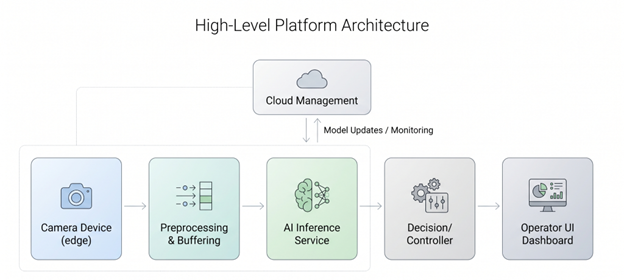
Figure 1. Distributed platform architectural workflows.

The platform is engineered to function as a versatile suite of tailorable components, integrated to offer domain-specific customization and fulfill the unique requirements of diverse industrial use cases.
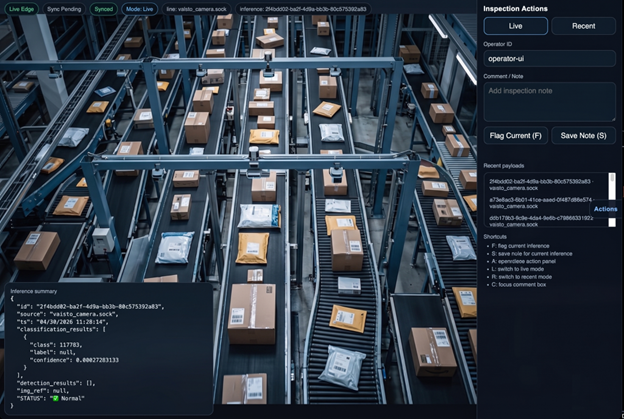
Figure 2. Example view of the operator monitoring user interface.

In our distributed platform development project where we apply existing cloud technologies, open source technologies and our custom integration software modules the speed of technology evolution during the project has surprised us in positive and also challenging ways. While the new technologies open up new possibilities, they also add complexity to the project landscape as we have to update and refactor the software continuously. This is why we have invested into extensive CI-pipelines and test automation assets already in the research phase.

Furthermore, the inherent modularity and standardized interfaces of the Edge AI framework facilitate the hosting of diverse AI model formats across heterogeneous hardware platforms, ensuring a high degree of architectural versatility.

The key elements for achieving successful piloting opportunities within the project are these architectural flexibility considerations regarding service lifecycle and deployment.


Blog signed by: VAISTO team