

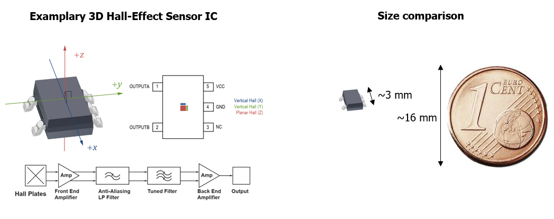
Figure 1: Illustration of a typical magnetic field sensor that measures the magnetic field by utilizing the Hall effect
Future applications for magnetic field sensors
However, magnetic field sensors could also be used to measure the magnetic field that is relevant for torque generation. Since it is difficult to place a sensor directly in the air gap, another option is the measurement of a flux leakage component that is in anyhow related to the main flux. Figure 2 shows an option for magnetic field sensor placement in an outrunner permanent magnet synchronous motor. In the space over the teeth heads magnetic stray fields exist which are depending on the current operating conditions of the motor.
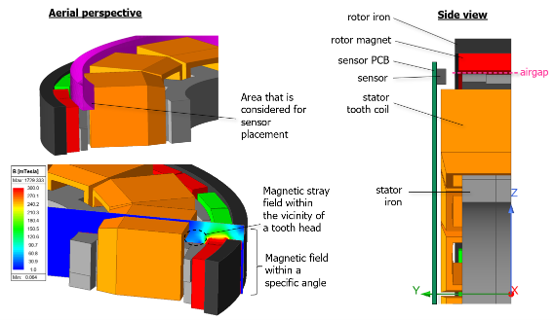
Figure 2: Images from a finite element analysis tool used to investigate the magnetic fields in a PMSM outrunner motor
The main challenge here is to find suitable locations for sensor positioning so that it is possible to draw a connection between measured magnetic stray fields and the magnetic airgap field which is relevant for torque production.
Improving the control of electrical drives
For ZF, the project objective is to utilize signals from magnetic field sensors to enhance the control of electrical drives with PMSM. This can be achieved in several ways: information derived from the magnetic field sensors may be used to improve functional safety, for example as a fallback for other sensors like current or position sensors. Magnetic field measurements could also contribute to improved control performance, such as increasing the accuracy of the generated torque. Another potential approach is to replace more expensive sensors, thereby reducing costs. To achieve this, the next steps will involve identifying suitable sensor locations and then developing appropriate algorithms that can reliably extract the necessary information from the sensor signals.
Blog signed by: ZF team