
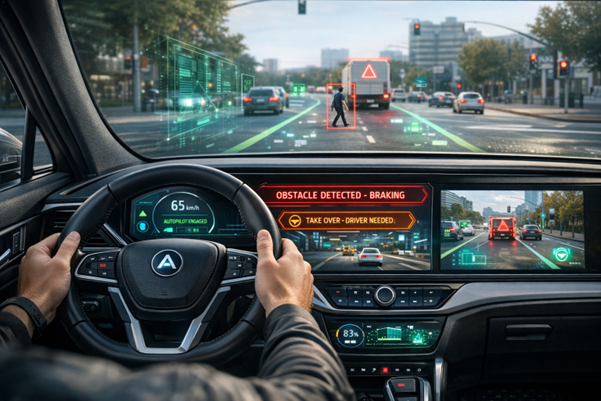
On the one hand, people are becoming increasingly familiar with driver assistance technologies. Features such as automatic emergency braking or lane keeping assistance are already part of many modern vehicles. In fact, 81.66% of respondents reported moderate to high trust in current ADAS features. However, confidence becomes more cautious when automation increases. 58.34% of respondents expressed similar trust in fully automated driving systems, while 73.33% reported concerns about relying entirely on automated driving in real-world conditions. In other words, many users are comfortable with assistance but remain hesitant about handing over full control. Transparency emerged as one of the strongest drivers of trust. The survey showed that 90% of respondents feel more confident using automated systems when they understand how and why the system makes decisions. Similarly, more than 70% supported the idea that automated vehicles should provide real-time explanations of their actions, for example through alerts explaining sudden braking or system limitations.
These findings highlight an important insight: users do not simply want automation to work, they want to understand it.
Human oversight also remains essential, and this is where the human-in-the-loop approach proves critical. Around 80% of respondents reported that they actively monitor or override driver assistance systems, indicating that drivers still expect to remain engaged when using automated technologies. Moreover, 75% said they would likely reduce their use of a system after experiencing an unexpected or unexplained automated action. This demonstrates how quickly trust can be undermined when system behaviour appears unclear or unpredictable. Ethical considerations also play a significant role. Many respondents emphasised the importance of clear rules governing automated decision-making. In addition, 90% highlighted the need for clear legal accountability frameworks for automated driving systems, reinforcing the idea that trust in automation is closely connected to regulation, governance, and institutional oversight.
The project didn’t stop at research findings. The insights were translated into practical guidance and requirements for developers and researchers, helping to embed human-centred thinking directly into the design process, rather than treating it as an afterthought.
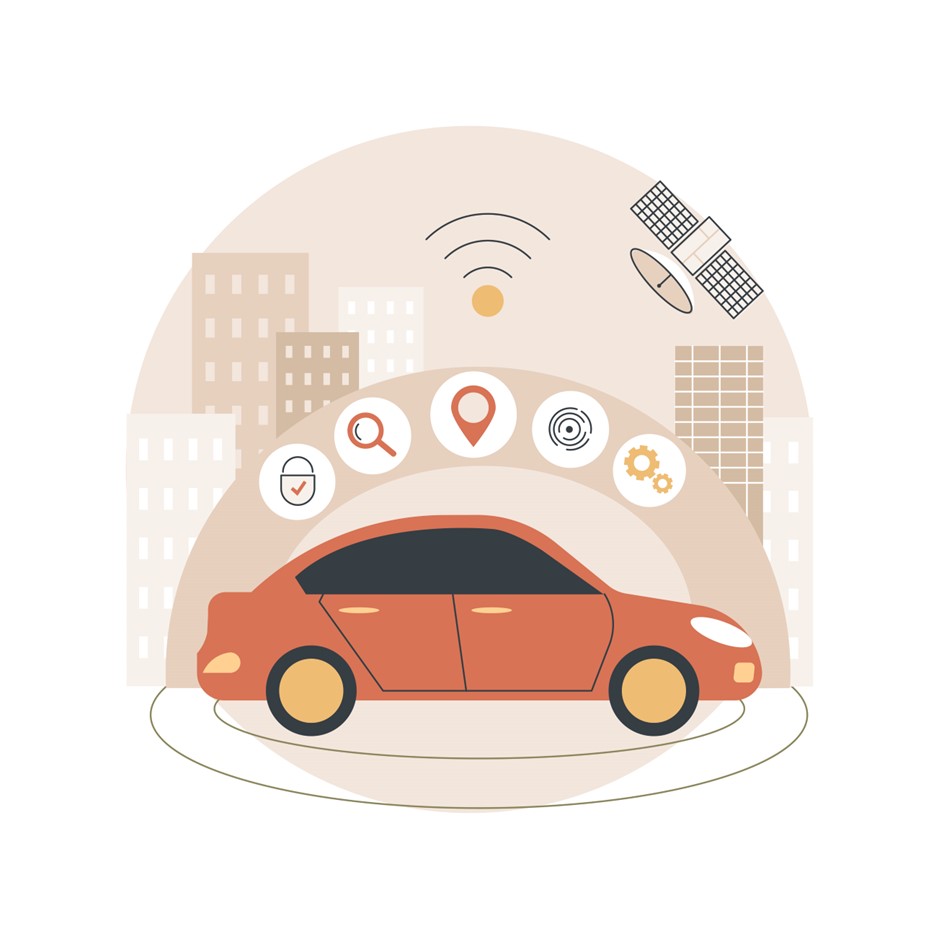
Taken together, these insights suggest that the future of automated mobility will depend not only on technological progress but also on how well systems communicate with the people who use them. Users want systems that are transparent about their actions, allow meaningful human oversight, and operate within clear ethical and regulatory frameworks. By combining technical innovation with user-centred research, Cynergy4MIE demonstrates how interdisciplinary collaboration can support the development of automated mobility solutions that are not only technologically advanced but also trustworthy, understandable, and aligned with societal expectations.
Because in the end, a car that people don’t trust isn’t really going anywhere (?)
Blog signed by: CONV team